Recently, I spent a day out in Sete with Nancy McGee of Absolutely Southern France. She was excited to show me around her adopted home and I, ever curious, was happy to come along a day with her. We actually found that that we have common very close family friends, but that’s another story!
Lous XIV chose Sète as the place that the Canal du Midi would join the Mediterranean. In addition to the important port, Sète is also known for the jousting tournament that takes place every July since 1666. The town has always piqued my interest because of this special tournament.

Of course I happened to visit the town on a cloudy day, a rare sight in the South of France. The water on the canal is normally reflected as a deep blue. Sète is a favourite with local French tourists seeking beaches. Plage du Lido is an enormous sandy beach that stretches all the way to Cap d’Agde. However, if you’re here on a cloudy day, here’s some delights the town of Sète has on offer.

The Sète Market
Inside Les Halles, or the covered market, you’ll find the stalls open every morning. On Wednesdays, the market spills out over the centre of town. You’ll find producers from different regions that have driven to market day to sell their produce.

East of Sète : Anchovies à la Provençal West of Sète : Mussels Catalan Style


In comparing the Sète market to Provencal markets in my region, I noticed that there is a lot more seafood. Which makes absolute sense! The local cuisine has many influences from different parts of France as well as different cultures.

Local Specialities
Sète is synonymous in the South with oysters that come from the nearby Etang de Thau, where shellfish cultivation started in 1875. The water in this lagoon is so clean that even seahorses live within the reeds. I was lucky enough to visit the lagoon last year with a friend from the market that produces oysters.
Paté de Pezenas
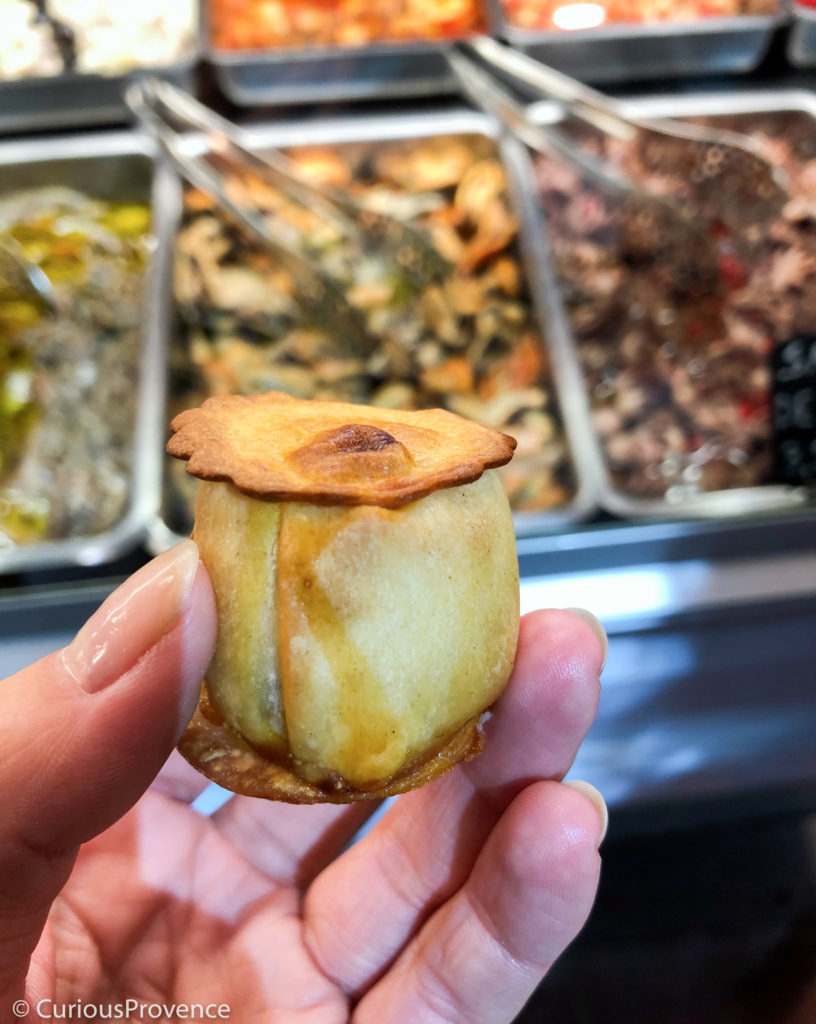
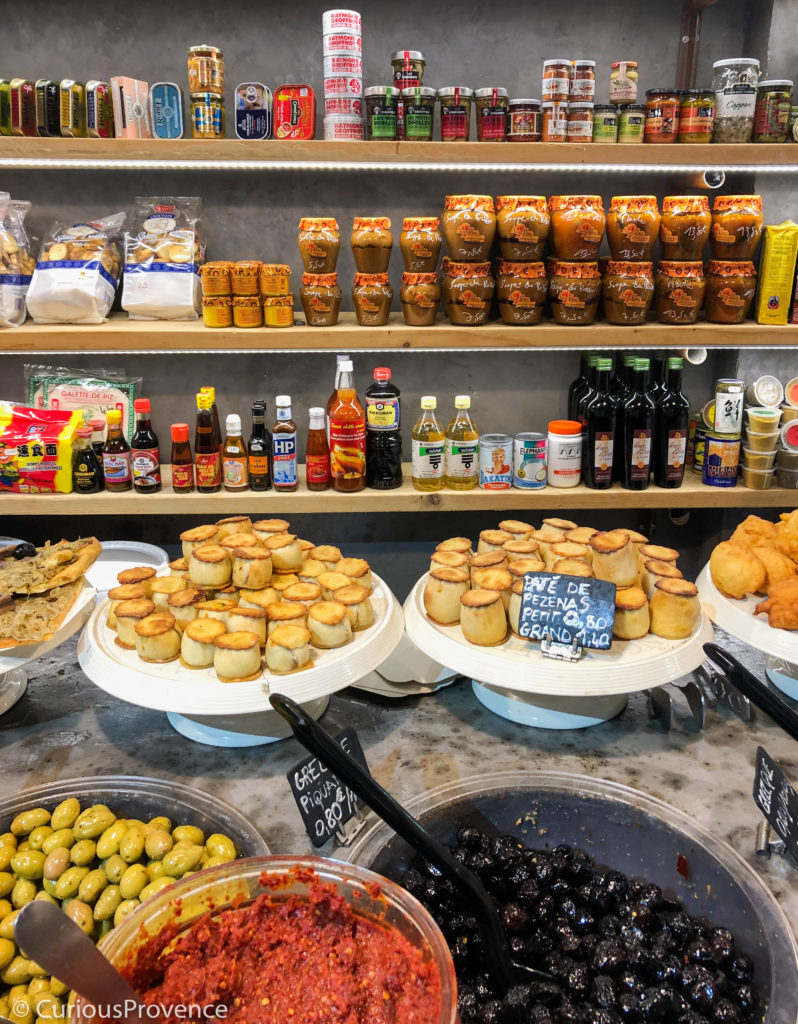
Paté de Pézenas
As soon as you cross into the Languedoc-Roussillion region from Provence you start seeing these curiously-shaped pastries. Many towns have their own recipe or even stamp them with the local seal. However, Paté de Pézenas pastries have their own story. Not surprisingly, they originated in Pézenas, just 40 minutes from Sète:
“In 1768, the Indian viceroy Lord Clive decided to settle in Pézenas with his court. During many receptions, he used to serve his guests small pâtés stuffed with a tasty mix of sweet and savoury lamb meat, light brown sugar and lemon. This recipe was exclusively known by his Indian private cook.
These small roll-shaped pâtés were directly inspired by the British minced pies (traditional pies stuffed with meat, fruits and spices).
When he left, Lord Clive, enchanted by the town and its inhabitants, offered some local confectioners the recipe by way of thanking.
The famous “Petit Pâté de Pézenas” was born.” –PetitPatedePezenas
Tielles Octopus and Spicy Tomato Sauce tarts.
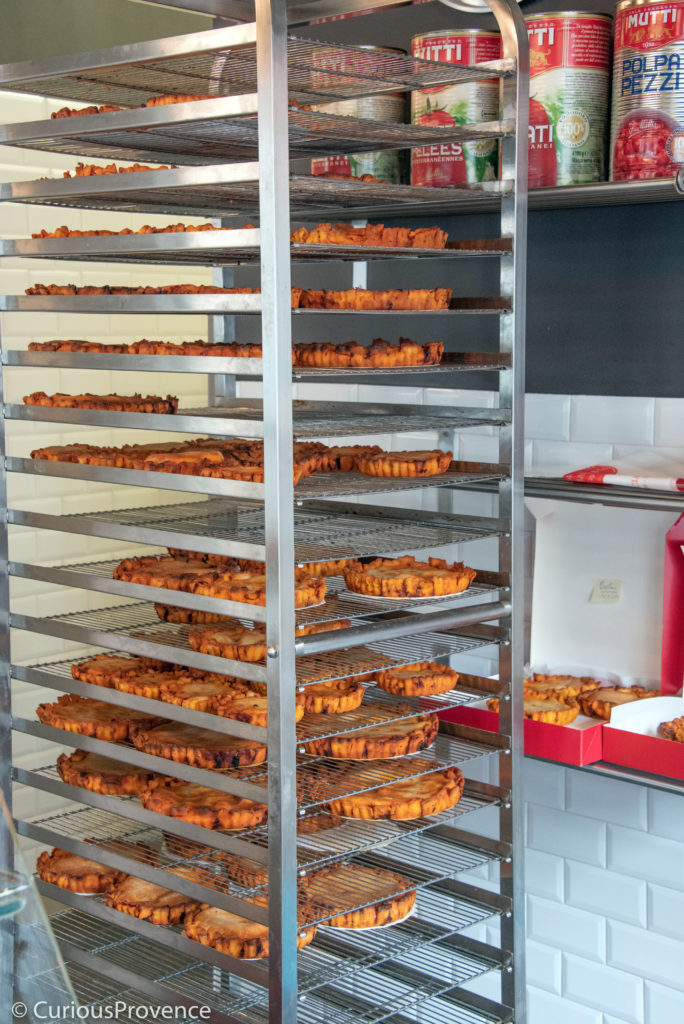
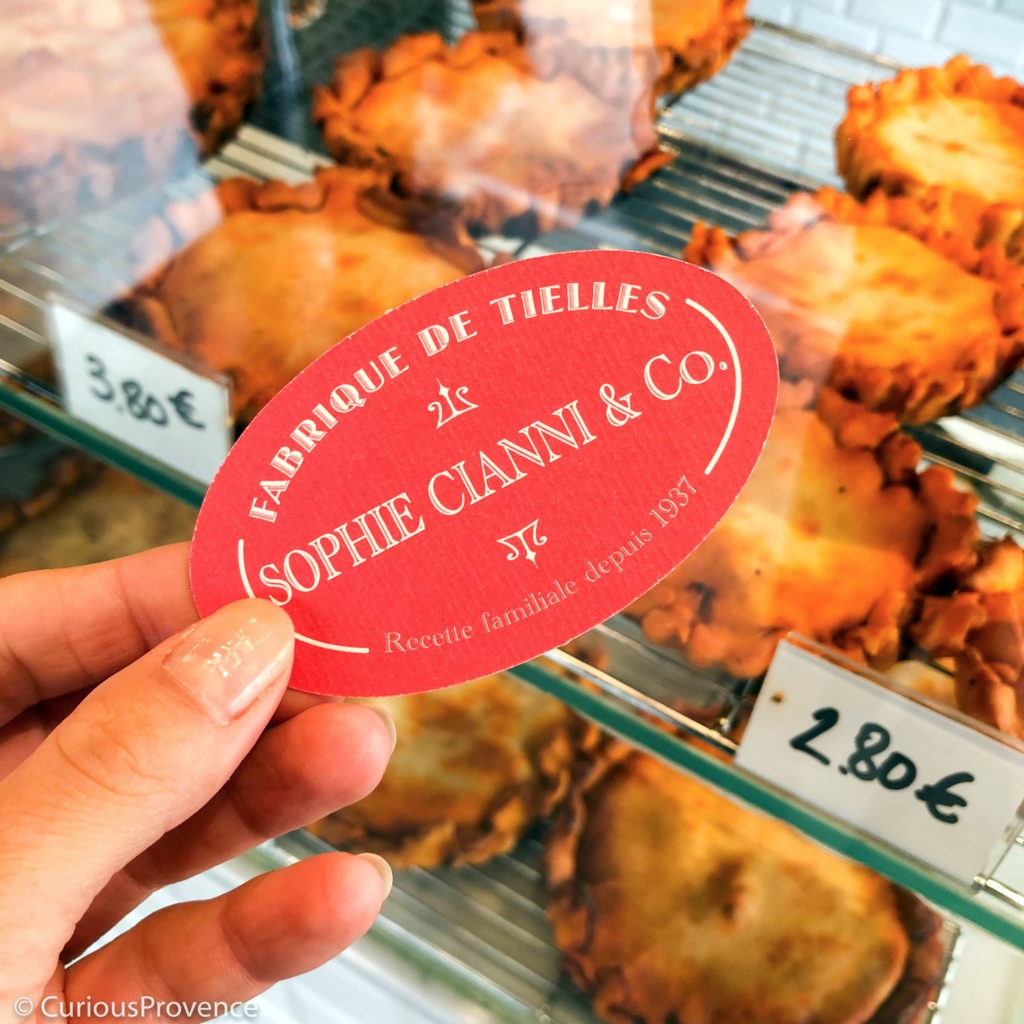
Tielles
For a pre-lunch snack Nancy and I stopped at Sophie Cianni & Co. so that I could try my first Tielle. We stood at the counter and shared one straight out of the oven while locals took their usual orders alongside us. When I asked what was in them, I was given a warning glance by the seller. Each bakery has their own small well-guarded twist on the Tielle recipe.
Tielles originally served as a way for fishermen to get a complete meal with fish that was cooked and lasted a few days. These Sétoise delicacies date back to 1937 when an Italian grandmother named Adrienne Verducci was the first to sell them on the street. The bakeries that specialize in these octopus and spicy tomato sauce tarts are all her descendants. I can’t imagine the family competition…

Lunch at Arrivage
We ate an absolutely delicious lunch at Arrivage in Séte. I couldn’t recommend this little restaurant more. For 21€ you can have a 3 course menu all made with locally-sourced organic products prepared with care and beautifully presented. At night, the restaurant becomes even more gastronomic. It’s gastronomic eating in a casual setting. In my opinion, the perfect combination.

Mont St Clair
For a view of the city, surrounding oyster flats and the sea, drive the 15 minutes from the city centre to the top of Mont St Clair. When I visited it was cloudy so my picture doesn’t do it justice. However, it’s incredible seeing a birds eyes view of the city and the lagoons. The Chapelle Notre-Dame-de-la-Salette at the top is also worth visiting notably for the interior frescoes. As many churches that guard maritime towns on the Mediterranean, there are many ex-votos there donated by fishermen giving thanks after surviving storms at sea.


Biscuiterie Artisanale
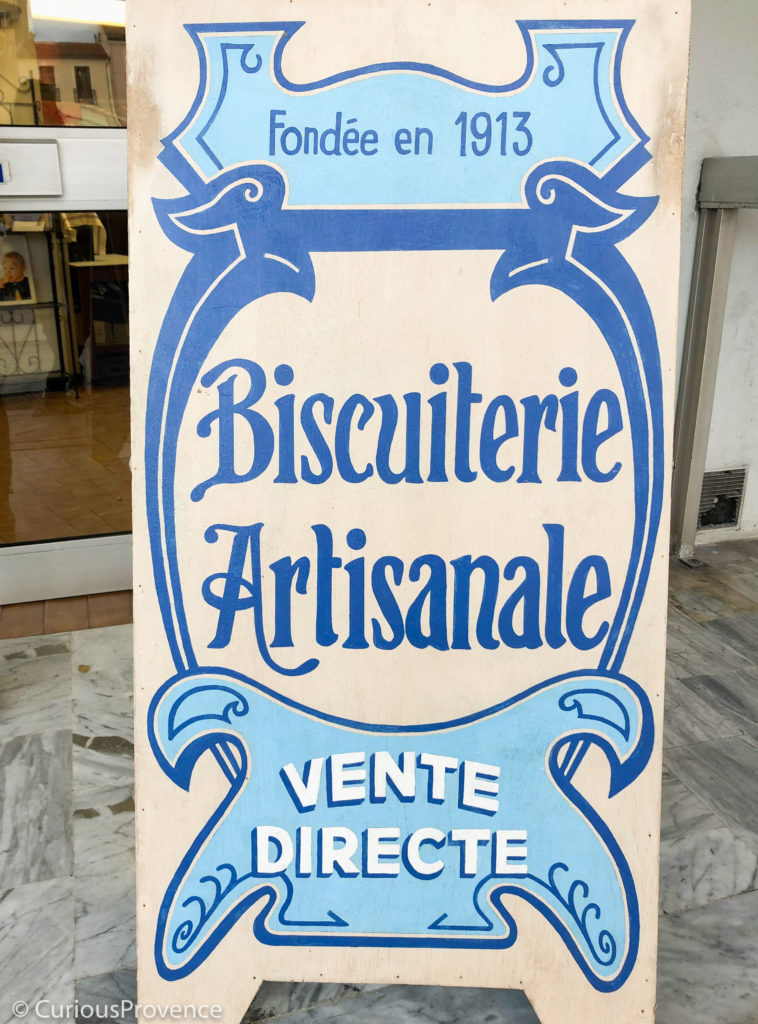
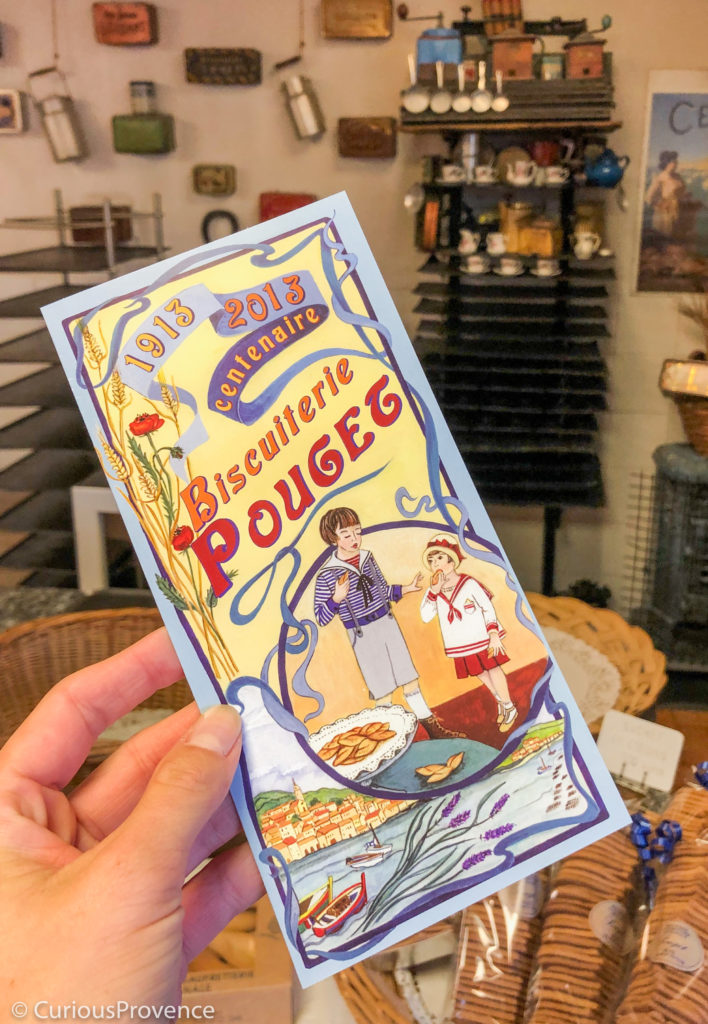
This artisanal biscuiterie is worth a visit for the charming decor alone. Biscuiterie Pouget specialise in Sétoise navettes and other traditional biscuits of the region. Navettes are simple cookies from Marseille traditionally flavoured with orange flower water. A navette is a small boat which is meant to symbolise the boat used by the Marys when they reached Saintes Maries de la Mer.

Biscuiterie Pouget was started in 1913, is now run by Mr and Mrs Fabre.


Street Art in Sète

One of the things that Sète is now known for is a happening art scene. There are many artisan boutiques (Nancy does personalised tours of the artists ateliers and boutiques) as well as street art throughout the town. There’s even a map from the tourism office that tells you where urban art in the city. It’s called “Un Musée à Ciel Ouvert”, or an open-sky museum. A lot of this street art is the direct result of the K-Live festival that happens every year in June celebrating urban art and music. Here are some of my favourites that I saw during my time in Sète:


Sète in the Evening
Sète is a town with character and a friendly atmosphere. The government is spending a lot of money over the next couple years to modernise the city centre to allow for more visitors. It won’t be long before this town is a must stop on your visit to Southern France especially during the summer months where there are many concerts and festivals. Know the city? Feel free to add your suggestions of things to do and see in Sète in the comments below!


Wonderful photos! Sète is such a pretty place. There’s also the George Brassens museum, and you can visit his grave, under a pin parasol…
Thank you! Good idea!
Thanks Asley. It was so much fun having a fellow canadian learning to discover my favorite town in France. Next time, you’ll have to come and stay for a nighttime adventure in Sète during the Jazz festival…
See you soon!
Nancy